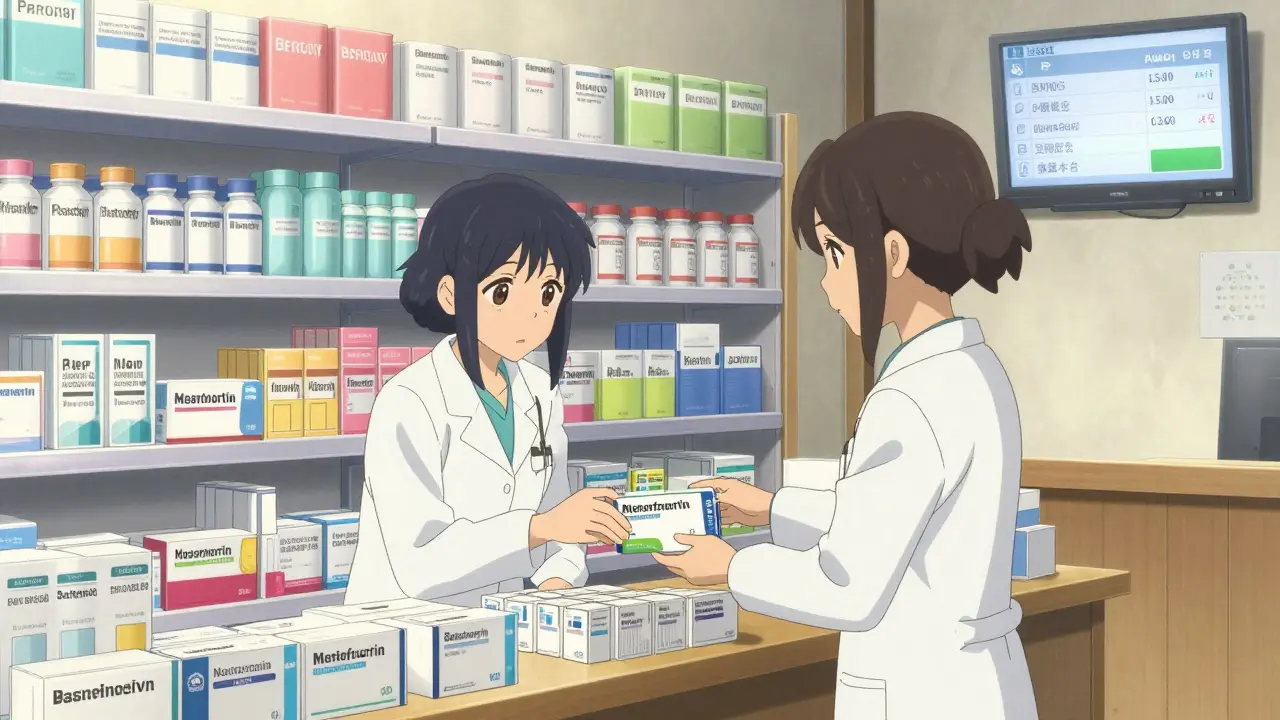
Pharmacies in Finland, like everywhere else, face constant pressure to balance patient care with financial sustainability. One of the most powerful but often overlooked tools for achieving this balance is smart generic stocking. While brand-name drugs get the spotlight, it’s the generic medications - the cheaper, equally effective copies - that make up the backbone of daily pharmacy operations. In fact, nearly 9 out of 10 prescriptions filled in Finland are for generics, yet they account for less than a quarter of total drug spending. That’s the key: you need more of them, but you can’t afford to waste money on what sits too long on the shelf.
Why generics need a different approach
Generic drugs aren’t just cheaper versions of brand-name pills. They behave differently in inventory. When a new generic hits the market - say, a generic version of atorvastatin - sales of the brand-name version can drop by 80% in just a few weeks. If your inventory system doesn’t react fast enough, you’re left with $3,000 worth of expired brand pills gathering dust. On the flip side, if you overstock the new generic because it’s cheap, you might end up with expired stock because demand didn’t grow as fast as you thought.That’s why treating all drugs the same way is a recipe for trouble. Brand-name drugs often have stable, predictable demand. Generics? Their demand shifts constantly. A new generic can surge overnight. An old one can vanish when a better alternative arrives. You need a system that reacts to real-time data, not just last month’s numbers.
The 80/20 rule in pharmacy stock
You don’t need to track every single pill in your warehouse. In fact, you shouldn’t. The 80/20 rule applies here: 80% of your drug costs come from just 20% of your inventory. For most pharmacies, that 20% is made up of high-volume generics - blood pressure meds, diabetes drugs, pain relievers, and antacids. These are the workhorses. They move fast. They’re low-cost. And they’re where you can save the most money by getting the stock levels just right.For example, metformin, a common diabetes drug, is dispensed hundreds of times a month in many community pharmacies. If you run out, patients don’t wait. They go elsewhere. But if you keep 12 weeks’ supply on hand, you’re tying up cash and risking expiration. The sweet spot? Keep about a week’s worth on the shelf. That’s enough to handle spikes in demand without overloading your storage.
How to set your stock levels
There are two main methods that work best for generics: minimum-maximum and reorder point.Minimum-maximum means you set a lower and upper limit for each drug. If stock drops below the minimum, you order. If it hits the maximum, you stop ordering. For fast-moving generics like ibuprofen or omeprazole, a typical setup might be:
- Minimum: 3 days’ supply
- Maximum: 7 days’ supply
This keeps turnover high and waste low. For slower-moving generics, like certain thyroid medications, you might go higher - say, 14 days’ supply - because they don’t sell often, but you can’t afford to run out.
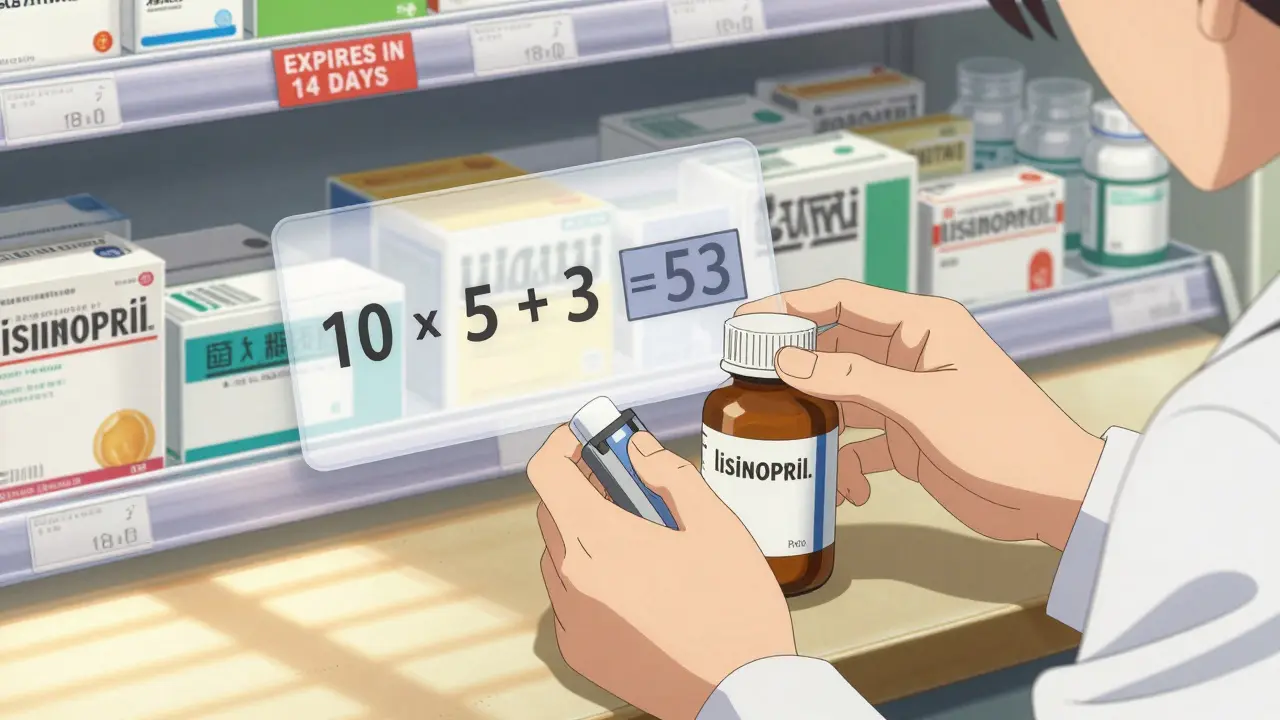
Reorder point (ROP) is more precise. The formula is simple: (Average daily use × lead time) + safety stock. Let’s say your pharmacy uses 10 bottles of lisinopril a day. Your supplier takes 5 days to deliver. You add 3 extra bottles as safety stock. Your ROP is (10 × 5) + 3 = 53 bottles. When you hit 53, you order. This works best when your inventory software tracks daily sales automatically.
Tracking expiry dates - it’s not optional
Generics often have shorter shelf lives than brand-name drugs. Why? Because manufacturers cut costs. A batch of generic metformin might expire in 24 months instead of 36. If you don’t track expiry dates closely, you’ll end up with expired stock you can’t return.Smart pharmacies use software that flags drugs with less than 60 days left. These are moved to the front of the shelf. Pharmacists are trained to ask patients: “Would you like this now? It expires in a month.” Sometimes, patients are happy to take it. Other times, it gets returned to the supplier - if your contract allows it. Either way, you avoid throwing away $500 worth of pills because no one noticed they were about to expire.
Automate what you can
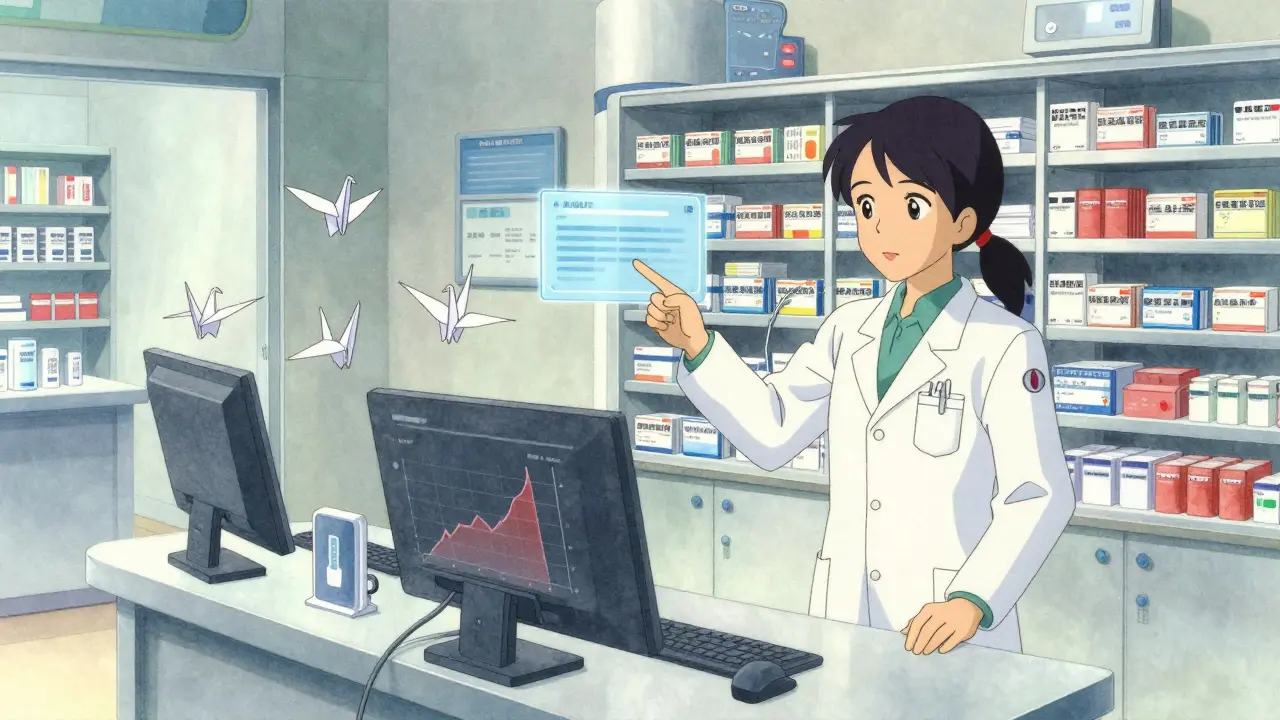
Manual inventory checks are slow and error-prone. Most pharmacies still do monthly cycle counts. That’s outdated. For high-turnover generics, you need weekly checks. Even better - automated alerts.Modern pharmacy systems can sync with refill requests. If 15 patients have auto-refills for atorvastatin, the system knows you’ll need 15 more bottles next month. It can even adjust for seasonal changes - flu season increases demand for cough syrup and painkillers. Some systems now use AI to predict when a new generic will hit the market based on FDA or EMA approval trends. When a new generic is approved, the system automatically reduces orders for the brand-name version and increases orders for the generic. This isn’t science fiction - it’s happening in Finland now.
What happens when you don’t manage generics well
Poor generic stock management costs money. Here’s what it looks like in real life:- Running out of metformin for 3 days? You lose $1,200 in sales and risk losing patients to the next pharmacy.
- Keeping 8 weeks’ supply of a discontinued generic? You might have $4,000 in expired stock.
- Not adjusting orders when a new generic enters? You could be stuck with $3,200 in obsolete brand-name inventory.
On the flip side, pharmacies that get it right see clear results: 15% fewer stockouts, 10% lower storage costs, and 12-18% higher inventory turnover. That’s not just efficiency - it’s profit.
Training staff is critical
No software fixes bad habits. Your pharmacy techs need to know how to:- Record every incoming generic shipment accurately
- Return unclaimed prescriptions within 24 hours
- Check expiry dates before dispensing
- Report slow-moving items immediately
It takes 2-4 weeks to train staff on new protocols. During that time, increase cycle counts to weekly. Use checklists. Make it part of the daily routine. One pharmacy in Joensuu reduced inventory errors by 22% just by requiring staff to return unused prescriptions to stock the same day.
What’s next for generic stocking
The future is faster, smarter, and more connected. By 2026, pharmacy inventory systems will:- Use AI to predict which generics will become popular based on prescribing trends
- Adjust reorder levels automatically when a new generic is approved
- Integrate with supplier systems to get real-time pricing and delivery updates
- Use blockchain to track expiration dates and batch numbers from manufacturer to shelf
But technology alone won’t save you. The best systems still need human oversight. A patient might need a brand-name drug because of allergies, interactions, or personal preference. Algorithms can’t always see that. The best pharmacists combine data with clinical judgment.
Start small. Build smart.
You don’t need to overhaul your entire system tomorrow. Start with your top 10 generics. Set minimum-maximum levels. Enable expiry alerts. Train your staff. Track results for 30 days. You’ll likely see improvements in stockouts, waste, and cash flow before you know it.Generic drugs aren’t just about saving money. They’re about saving time - for patients, for staff, and for your pharmacy’s bottom line. The right stocking strategy turns a cost center into a competitive advantage.
Mitä tarkoittaa ROP (reorder point) ja miten se lasketaan?
ROP eli tilauspiste on se määrä, jolloin tilaus pitää tehdä uudelleen. Lasketaan kaavalla: (keskimääräinen päivittäinen käyttö × toimitusaika päivissä) + turvavarasto. Esimerkiksi, jos lääkeä käytetään 12 annosta päivässä, toimitusaika on 4 päivää ja turvavarasto on 5 annosta, niin ROP = (12 × 4) + 5 = 53 annosta. Kun varasto laskee alle 53, tehdään tilaus.
Miksi generiikat vaativat erilaista varastointia kuin brand-lääkkeet?
Brand-lääkkeet ovat usein vakiintuneita ja niiden kysyntä pysyy melko vakiona. Generiikat puolestaan voivat muuttua nopeasti - uusi generiikka voi korvata vanhan muutamassa viikossa, ja kysyntä voi pudota 80 %:lla. Lisäksi generiikat usein ovat halvempia, joten niitä tilataan enemmän, mutta niillä on usein lyhyempi käyttöikä. Näistä syistä niiden varastointi vaatii jatkuvaa seurantaa ja nopeaa reagointia.
Kuinka monta päivän varastoa generiikkojen osalta kannattaa pitää?
Nopeasti liikkuvien generiikkojen (esim. ibuprofeeni, metformiini) osalta 5-7 päivän varasto on yleensä optimaalinen. Tämä vähentää vanhentumisriskiä ja vapauttaa pääomaa. Hitammin liikkuvien lääkkeiden (esim. tiroidilääkkeet) osalta 10-14 päivän varasto on usein parempi, koska kysyntä on vähäisempi ja varastojen täyttö on kalliimpaa.
Mitä tehdä, kun uusi generiikka tulee markkinoille?
Kun uusi generiikka tulee markkinoille, tilausmäärä brand-lääkkeeseen pitää heti vähentää ja tilaus generiikkaan lisätä. Tämä pitää tehdä järjestelmässä heti uuden generiikkan hyväksymisen jälkeen. Muuten jää jäljelle vanhaa, kalliimpaa varastoa, jota ei enää myydä. Järjestelmät, jotka osaavat automaattisesti säätää näitä arvoja, vähentävät vanhentumisvarastoa jopa 28 %.
Miksi päivittäinen varastotarkistus on tärkeää generiikkojen osalta?
Generiikkojen kysyntä vaihtelee nopeasti, ja niiden käyttöikä on usein lyhyempi kuin brand-lääkkeillä. Päivittäinen seuranta mahdollistaa nopeat päätökset - esimerkiksi, jos jokin generiikka alkaa myydä hitaammin, voit vähentää tilauksia ennen kuin se vanhenee. Tämä vähentää hukkausta ja vapauttaa varastotilaa. Viikottaiset kiertotarkistukset ovat vähintään tarpeellisia, mutta päivittäiset automaattiset ilmoitukset ovat parasta käytäntöä.



Julkaise kommentti